
Csatlakozzon hozzánk, hogy együtt hozzunk létre egy tájékozottabb és ellenállóbb generációt, amely képes a digitális világban magabiztosan és kritikusan eligazodni.
8:30-8:55 Regisztráció
9:00-9:15 Megnyitó
9:15-10:45 Tamara Bajcic (Szerbia)
11:00-12:30 Adéla Schreiberová (Csehország)
12:30-13:00 EBÉD
13:00-13:30 (30min) Tomas Martinaitis (Litvánia)
13:45-14:30 Csikós Mátyás
14:45-15:45 Dr. habil. András Ferenc
8:30-8:55 Regisztráció
9:00-9:15 Megnyitó
9:15-10:45 Adéla Schreiberová
11:00-12:00 Cserneczky Attila
12:00-12:45 EBÉD
12:45-15:00 Pontgyűjtő verseny a tantermekben
15:00 Kiselőadások
16:00 Eredményhirdetés
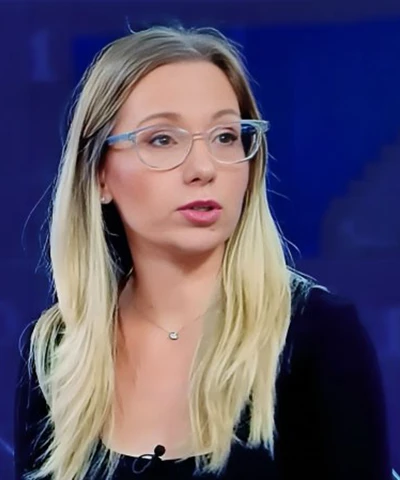
Tamara Bajcic leverages her background in data protection, media law, and public diplomacy to drive change within the news media industry. She is an award-winning leader, recognized in a prestigious "30 Under 30" category for young news media professionals worldwide by the International News Media Association (INMA). With over 7 years of professional experience, she is a seasoned analyst in media, information, and disinformation spaces. She began her career as TV host and later Deputy Editor-in-Chef and Project Coordinator in regional media production, eventually moving into an associate role at an international consulting firm. In this position, she provided media law and data/privacy protection services to clients across jurisdictions, including the EU, USA, China, and former USSR countries. Her passion for the field of media and information continued as she took the role of CEO at the Public Opinion Research and Publishing Center Demostat. In this position she oversees the organization’s media portal, with a strong focus on analyzing media space, and strengthening democratic defense against dis/mis/mal-information, foreign malign influence and hybrid threats.
The year is 2028, and the election of a new president is imminent. Your students take on the roles of journalists who one day receive an anonymous tip: one of the candidates plans to abolish summer holidays! By following various clues, completing tasks, and most importantly verifying information, they must uncover the culprit and save the holidays.
The goal is to familiarize students with the issues of fake news, disinformation, and critical thinking through a playful yet educational workshop. Over the course of the workshop, students will practice searching for and verifying information, detecting photo manipulations, and distinguishing hoaxes from verified news. While solving the tasks, they will also train their reading comprehension and critical thinking skills.
Thematically, the game ties into the curriculum of civic education (social studies), as students can draw on their knowledge about the presidential election process and the powers of the president. Additionally, they will work directly with specific articles of the Constitution of the Czech Republic and the Charter of Fundamental Rights and Freedoms, applying them practically to the candidates' programs.
About me:
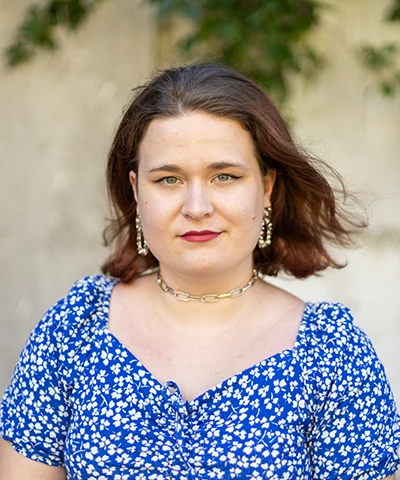
My name is Adéla Schreiberová, and I have been working with the organization Fakescape for five years as a lecturer for educational programs aimed at youth and professionals, as well as in HR and as a communication coordinator with clients. In my teaching, I often strive to connect media literacy with psychology, a field I have been studying at Masaryk University in Brno for five years. In addition to cognitive biases, I focus on interpersonal violence and anger.
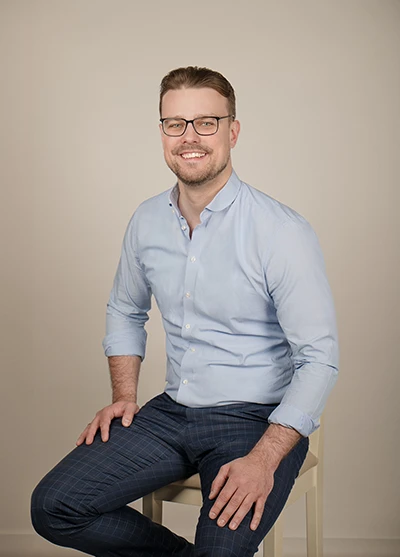
The presentation will focus on the challenges posed by disinformation, drawing from the speaker's personal experience and his disinformation-fighting campaign developed for the IVLP Awards program in September. It will also provide an overview of how disinformation is understood in Lithuania, the threats it poses to national security, and the measures being taken by the government to combat it effectively.
The speaker is a member of the Lithuanian Parliament and serves on the National Security and Defence Committee. A dedicated politician affiliated with the Social Democrats party, he was elected to Parliament following the October 2023 elections. His prior experience includes a decade in local government, first as an adviser to the mayor and later as Vice Mayor of Akmenė District Municipality. In the summer of 2023, he participated in the U.S.-funded IVLP program, Empowering the Youth in Fighting Disinformation in the 21st Century. In addition to his political work, he is pursuing a PhD in political science at Vytautas Magnus University.
He is married and a father to two daughters, Sofija and Otilija.
Disinformation, fake news, false advertising, hoax – call it what you want, disinformation is probably the most dangerous weapon of our times.
From a harmless-looking Instagram reel about a tasty burger that’s not so delicious in real life, to turning the tide in a supposedly democratic election, the influence disinformation has over our lives is undeniable. The problem is, how are we supposed to know what’s worth consuming? Every day we are bombarded with a cascade of information coming at us from a myriad of sources.
The ability to consume information and detect if we are being misled on the way is a learnable, trainable skill. How can we educate ourselves and our children to fight disinformation, and why is it important to start doing it as early as we can? What are the ways in which we can be disinformed? These are the questions we will explore during this presentation.
The speaker is working in the video game industry for more than a decade, with a background in university teaching and journalism.
A fake news fogalma szorosan kapcsolódik a modern digitális világhoz. Mindazonáltal egészen nyilvánvaló, hogy az egyes információk, hírek hitelessége, igazságtartalma, ezek ellenőrizhetőségének problémaköre egyidős magával a kommunikációval. A hatalom megszerzését, megtartását övező politikai, háborús játszmákban, és ugyanígy a hétköznapi, a privát életben szerepük mindig is kulcsfontosságú volt.
Vajon mit értünk meg akkor, amikor megértünk egy hírt, és mit akkor, amikor megértünk egy álhírt? Amellett érvelek, hogy e kétféle tudás tárgya radikálisan különbözik, következésképp feltárásukhoz eltérő úton juthatunk. A lényegi eltérés ellenére megkülönböztetésük rendkívül komoly kihívást jelent, olykor megismerő apparátusunk egészének mozgósítása sem elegendő. Végezetül arra jutunk, hogy a hírfolyamokban való sikeres tájékozódás két legfontosabb kritériuma a lehető legtöbb lábon álló forrásismeret és az egyén megismerési horizontját permanensen szem előtt tartó epoché.
Dr. habil. András Ferenc egyetemi docens, Pannon Egyetem HTK Társadalomtudományi Intézet. Az Intézet által gondozott Kommunikáció- és médiatudomány BA szak alapító tagja, felelőse. Fő kutatási területe a kommunikáció- és nyelvfilozófia. Több cikkben tárgyalja az álhírek és a hitelesség problémakörét: A Fake News igazságértéke és megértése (2020), Hitelesség és média (2022), Igazság és hitelesség (2024). Önálló kötetei: A kommunikációs tér filozófiája (Budapest, Gondolat Kiadó, 2010), A megértés ösvényei (Budapest, Áron Kiadó, 2020).
The year is 2028, and the election of a new president is imminent. Your students take on the roles of journalists who one day receive an anonymous tip: one of the candidates plans to abolish summer holidays! By following various clues, completing tasks, and most importantly verifying information, they must uncover the culprit and save the holidays.
The goal is to familiarize students with the issues of fake news, disinformation, and critical thinking through a playful yet educational workshop. Over the course of the workshop, students will practice searching for and verifying information, detecting photo manipulations, and distinguishing hoaxes from verified news. While solving the tasks, they will also train their reading comprehension and critical thinking skills.
Thematically, the game ties into the curriculum of civic education (social studies), as students can draw on their knowledge about the presidential election process and the powers of the president. Additionally, they will work directly with specific articles of the Constitution of the Czech Republic and the Charter of Fundamental Rights and Freedoms, applying them practically to the candidates' programs.
About me:
My name is Adéla Schreiberová, and I have been working with the organization Fakescape for five years as a lecturer for educational programs aimed at youth and professionals, as well as in HR and as a communication coordinator with clients. In my teaching, I often strive to connect media literacy with psychology, a field I have been studying at Masaryk University in Brno for five years. In addition to cognitive biases, I focus on interpersonal violence and anger.
„Cserneczky Attilának hívnak. 2006-ban diplomáztam az ELTE-n Mozgókép-és médiakultúra szakon, azóta tanítom a tantárgyat. Több kisjátékfilmet készítettem diákokkal. A mozgókép készítést elsősorban nem technikai szemszögből közelítem meg, hanem esztétikai, képzőművészeti oldalról, mivel több mint 30 éve faanyagból szobrászkodom.
Az előadásomat is a film esztétikai jellemzői köré építettem.”

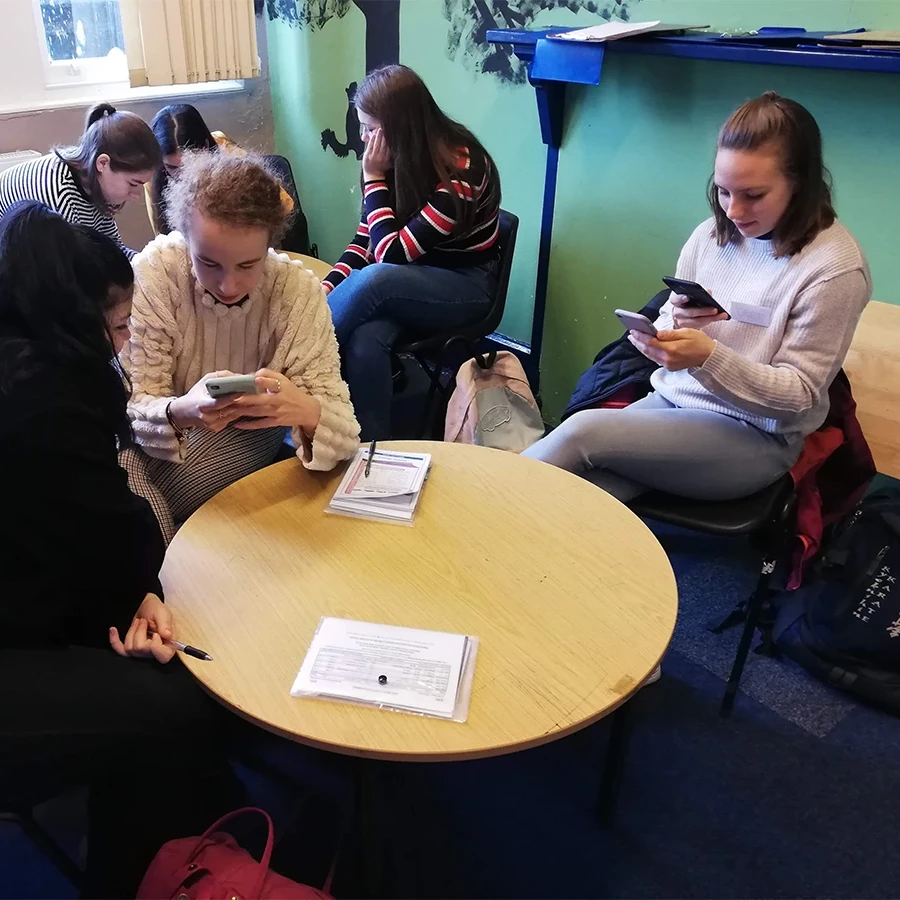
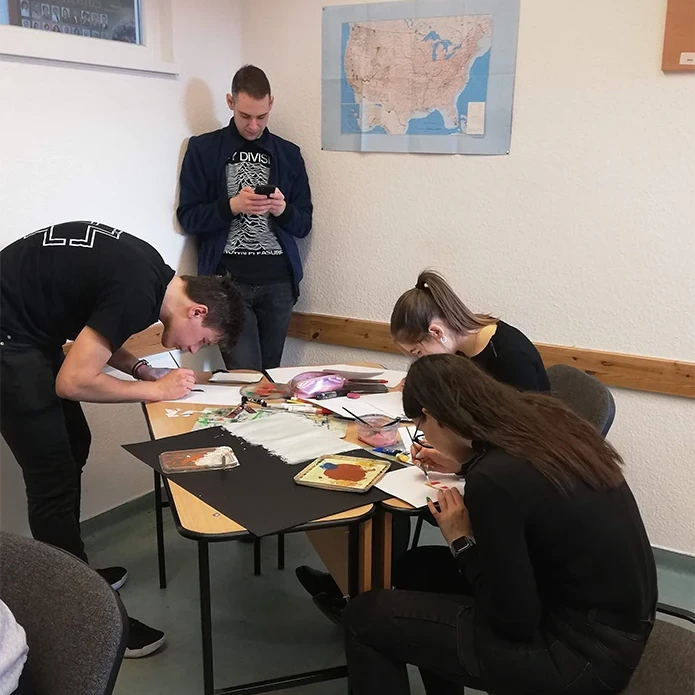
A rendezvény során a diákok lehetőséget kapnak, hogy kreatív feladatokon keresztül mutassák be tudásukat az álhírek felismerésében és kezelésében. Míg a diákok kreatív, álhírekkel kapcsolatos feladatokban versenyeznek, a tanárok számára egy különleges, szakértők által vezetett programot kínálunk, amely segíti a tanítási módszerek fejlesztését.
 Ebéd biztosítottElőzetes regisztráció szükségesA jelentkezési határidő január 3.
Ha bármilyen kérdése van a Battle Against Disinformation 2025 rendezvénnyel kapcsolatban, segítségre van szüksége a regisztrációhoz, vagy szeretne többet megtudni róla... itt vagyunk, segítünk!
 9:00 – 17:00
 Pápai Petőfi Sándor Gimnázium,
  Meghívó a Szakmai Napra